Seeking greener pages: An analysis of reader response to Australian eco-crime fiction Australian Humanities Review, 2023‘Little difference between a carcass and a corpse’ JASAL, November 2021
Australian fiction is already challenging the idea that catastrophic bushfire is normal The Guardian, January 2020
Bush Connections: Melbourne forest therapy program brings participants closer to nature Remember The Wild, February 2019
Signs of nature Everyday Futures: Australia in the Age of Humans, September 2017
Review of Learning to Live with Climate Change: From Anxiety to Transformation by Blanche Verlie Australian Literary Studies, 2022eXtinction: Locating shadow species in shadow places An A-Z of Shadow Places Concepts, 2020
Mother Knows Best: I Am Mother, and Searching For Non-Sexualised AI Rough Cut, July 2019
Some untamed perceptions of biodiversity Remember The Wild, October 2017 Shortlisted for the New Philosopher Writers’ Award XIV: Nature 2017
The changing climate of waterwise gardening Remember The Wild, June 2018
Margaret Atwood’s MaddAddam and finding a postpandemic kinship in the COVID-19 era Extrapolation, 2022When ‘What if?’ becomes reality: New Deakin research group shines light on the fantastique disruptr, July 2020
Greener pastures and tangled gums: The rise of Australian eco-fiction Overland Literary Journal, December 2016
‘Brown birds in a brown landscape‘ Remember The Wild, May 2018
‘Evolving a new, ecological posthumanism’ in Ethical Futures and Global Science Fiction Palgrave Macmillan, 2020
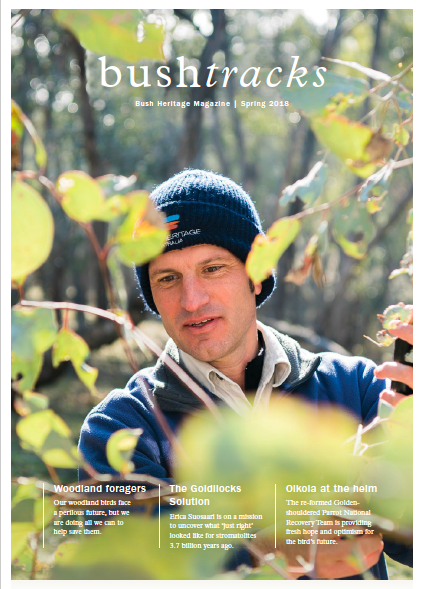
Woodland foragers bushtracks, Spring 2018
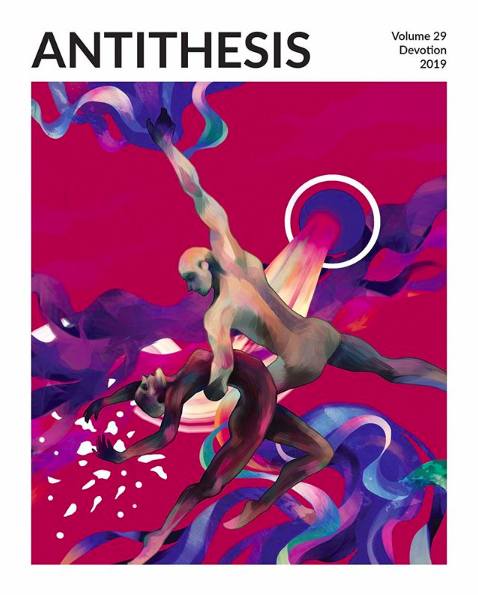
‘No longer any distance between us’: technology, climate change and narrative empathy in Briohny Doyle’s The Island Will Sink Antithesis, Volume 29, 2019
How does nature boost your health and happiness? be. magazine, Issue 23, 2018
Striking out: window collisions a growing threat to our birds Australian Geographic, Issue 148, 2019
Text Guide: Ursula Le Guin’s The Left Hand of Darkness Insight Publications, 2016









 Rachel Fetherston